Skin Health & Wellness · April 2026
How Stress Affects Your Skin (And What to Do About It)
That breakout before a big presentation? The dullness during a difficult month? It's not your imagination — stress really does show up on your skin. Here's what's happening, and what you can do about it.

You've probably noticed it: during stressful periods, your skin seems to rebel. Breakouts appear. Redness flares. That healthy glow disappears. And no amount of skincare seems to help.
It's not a coincidence. The connection between your mental state and your skin is real, measurable, and increasingly understood by science. Your skin isn't just reflecting stress — it's responding to it on a biological level.
The Science: How Stress Affects Skin
When you're stressed, your body responds with a cascade of hormonal and inflammatory changes. Here's what's happening beneath the surface:
Cortisol Surge
Cortisol is your primary stress hormone. In short bursts, it's useful. But chronic stress means chronically elevated cortisol, which:
- Increases oil production (hello, breakouts)
- Breaks down collagen and elastin, accelerating aging
- Impairs the skin's barrier function
- Increases water loss from skin
Inflammation Response
Stress triggers systemic inflammation, which shows up on skin as redness and flushing, increased sensitivity, flare-ups of existing conditions like eczema, psoriasis, and rosacea, and slower wound healing.
Blood Flow Changes
Under stress, blood flow is directed away from the skin toward vital organs. The result: that pale, tired, lackluster appearance during stressful periods.
Behavioral Changes
When stressed, healthy habits slip. Less sleep, more sugar, skipped skincare routines, touching your face more. These behavioral changes compound the biological ones.
What Stress Looks Like on Your Skin
Different people show stress in different ways, but common signs include:
- Acne and breakouts: Stress-induced cortisol increases oil production and inflammation — a perfect storm for breakouts, often along the jawline and chin.
- Dullness and fatigue: Reduced circulation and impaired cell turnover make skin look tired, flat, and lackluster.
- Increased sensitivity: A compromised barrier means products that usually work might suddenly sting or irritate.
- Premature aging: Chronic stress accelerates collagen breakdown and reduces your skin's ability to repair itself.
- Condition flare-ups: Existing skin conditions — eczema, psoriasis, rosacea, dermatitis — often worsen during stressful periods.
Breaking the Stress-Skin Cycle
The good news: you can interrupt this cycle. Here's a multi-pronged approach:
Address the Stress Itself
This is foundational. While we can't eliminate stress entirely, we can manage it: regular exercise (proven to reduce cortisol), adequate sleep (when skin does its repair work), mindfulness or meditation practices, setting boundaries, and professional support when needed.
Support Your Skin from Outside
Simplify your routine. Stressed skin often benefits from less, not more. Pare back to gentle, supportive basics. Focus on barrier repair with ceramides, niacinamide, and soothing ingredients. Hydrate aggressively — stress compromises the moisture barrier. Be gentle: no picking, no aggressive exfoliation. And never skip SPF; stressed skin is more vulnerable to damage.
Support Your Skin from Inside
Omega-3 fatty acids (anti-inflammatory), antioxidants (vitamins C and E), adequate hydration, and limiting sugar and processed foods can all help reduce the inflammatory cascade that stress triggers on skin.
Professional Treatments for Stressed Skin
Sometimes, professional intervention helps reset stressed skin:
- Calming Facials: A professional facial with calming, hydrating ingredients can restore barrier function, reduce inflammation, and provide a much-needed moment of relaxation.
- LED Light Therapy: Red light therapy reduces inflammation and supports healing. Blue light addresses acne-causing bacteria. Both are gentle, non-invasive, and deeply calming.
- Facial Massage: Often incorporated into facials, facial massage increases circulation, promotes lymphatic drainage, and releases facial tension.
Don't underestimate the value of the spa experience itself. Taking an hour for yourself in a calm environment — with focused attention on your wellbeing — is genuinely therapeutic. The parasympathetic nervous system activation that happens during professional treatments has real physiological benefits.
Building Long-Term Stress Resilience for Your Skin
Long-term, the goal isn't just managing stressed skin when it happens — it's building resilience. Maintain a consistent (but simple) skincare routine even during stressful times. Schedule regular professional care to create a baseline of skin health. And consider the appointment itself as part of your stress management strategy, not separate from it.
Your skin and your stress are connected. Addressing both — together — is how you get lasting results.
Ready to Give Your Skin the Expert Attention It Deserves?
Our practitioners in Arlington, VA and Lakewood, CO are here to help you build a routine — and a treatment plan — that addresses stress at the skin level.
Continue Reading
Explore more from Skën's educational blog on skin health and wellness.
The Hydration-Skin Connection: Why Water Isn't Enough
Understanding how skin hydration actually works — and what to do about it.
Spring Skin Reset: Best Treatments to Refresh After Winter
How to transition your skin from winter survival mode to spring radiance.
Botox 101: Everything You Need to Know Before Your First Treatment
A comprehensive beginner's guide to what Botox is, how it works, and what to expect.
Continue Reading
Explore related articles on skin health, wellness, and expert aesthetic care.
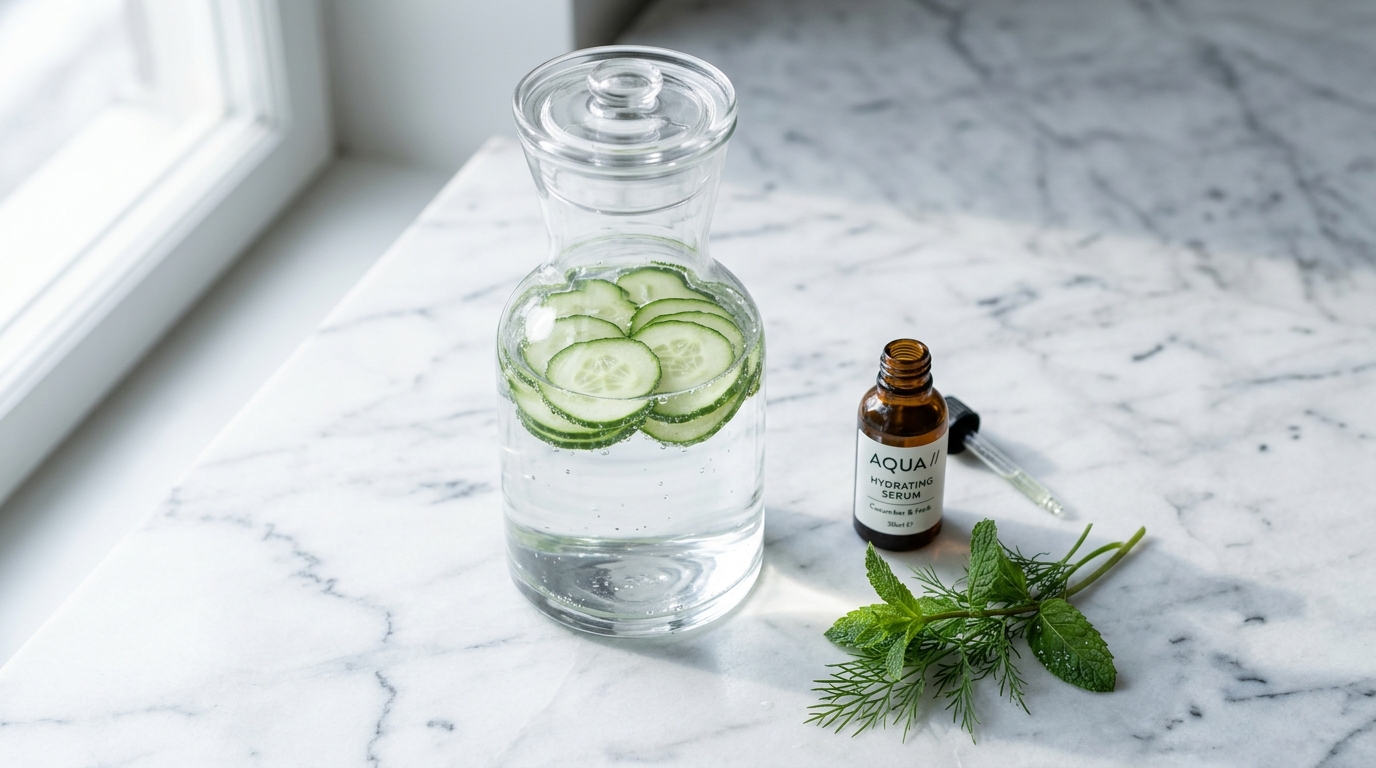
Skin Hydration: Why Drinking Water Isn't Enough
Internal hydration is more nuanced than it seems. Learn what your skin actually needs to maintain a healthy barrier from within.
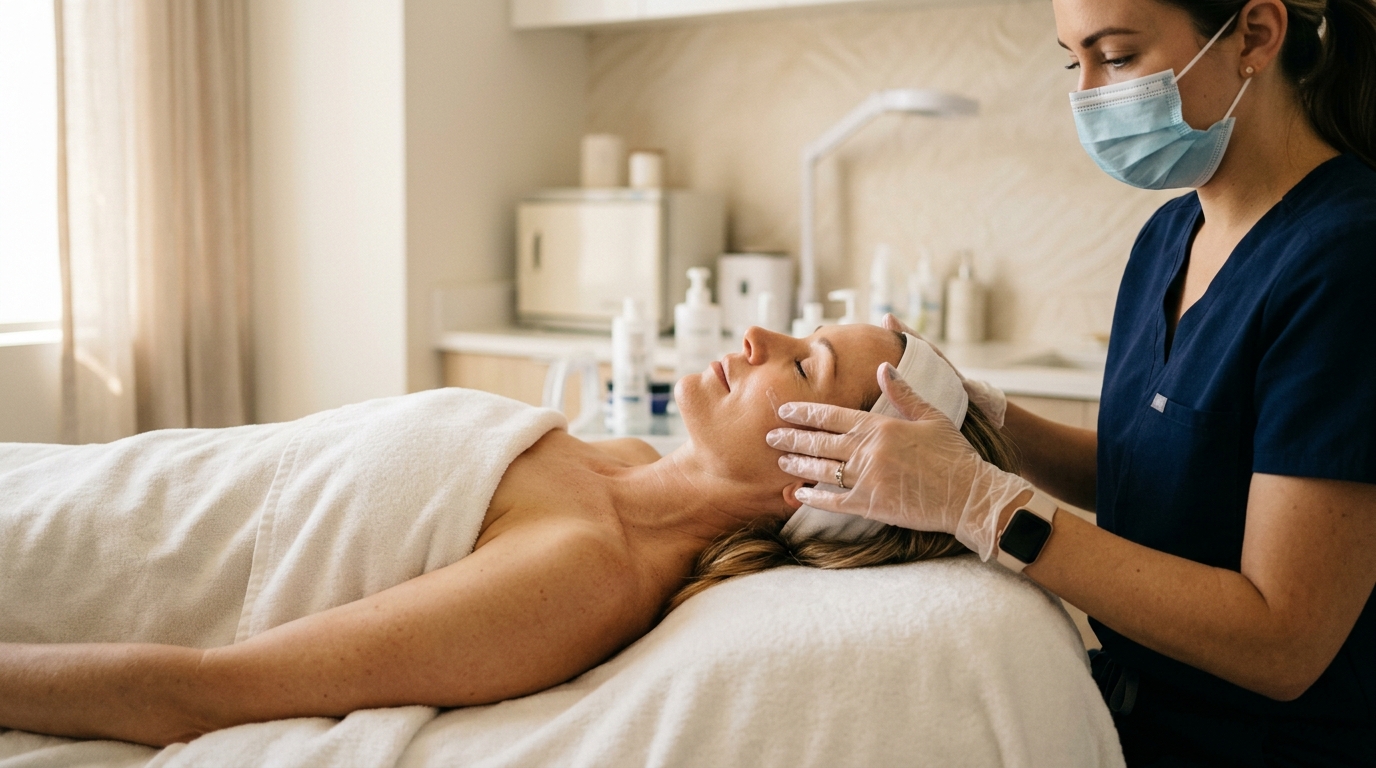
Why Self-Care Isn't Selfish: The Medical Benefits of Aesthetic Treatments
Caring for your appearance is also caring for your health. Explore the clinical case for investing in professional aesthetic treatments.

Spring Skin Reset: Best Treatments to Refresh After Winter
Winter takes a toll on skin texture, hydration, and radiance. Here are the treatments that work best for a seasonal skin refresh.

Botox 101: Everything You Need to Know Before Your First Treatment
Considering Botox for the first time? This guide covers what to expect, how to prepare, and what natural results really look like.