Skin Care Education · March 2026
The Hydration-Skin Connection: Why Drinking Water Isn't Enough
"Drink more water" is the most common skincare advice — but the relationship between water intake and skin hydration is more complicated than you think. Here's what actually works.
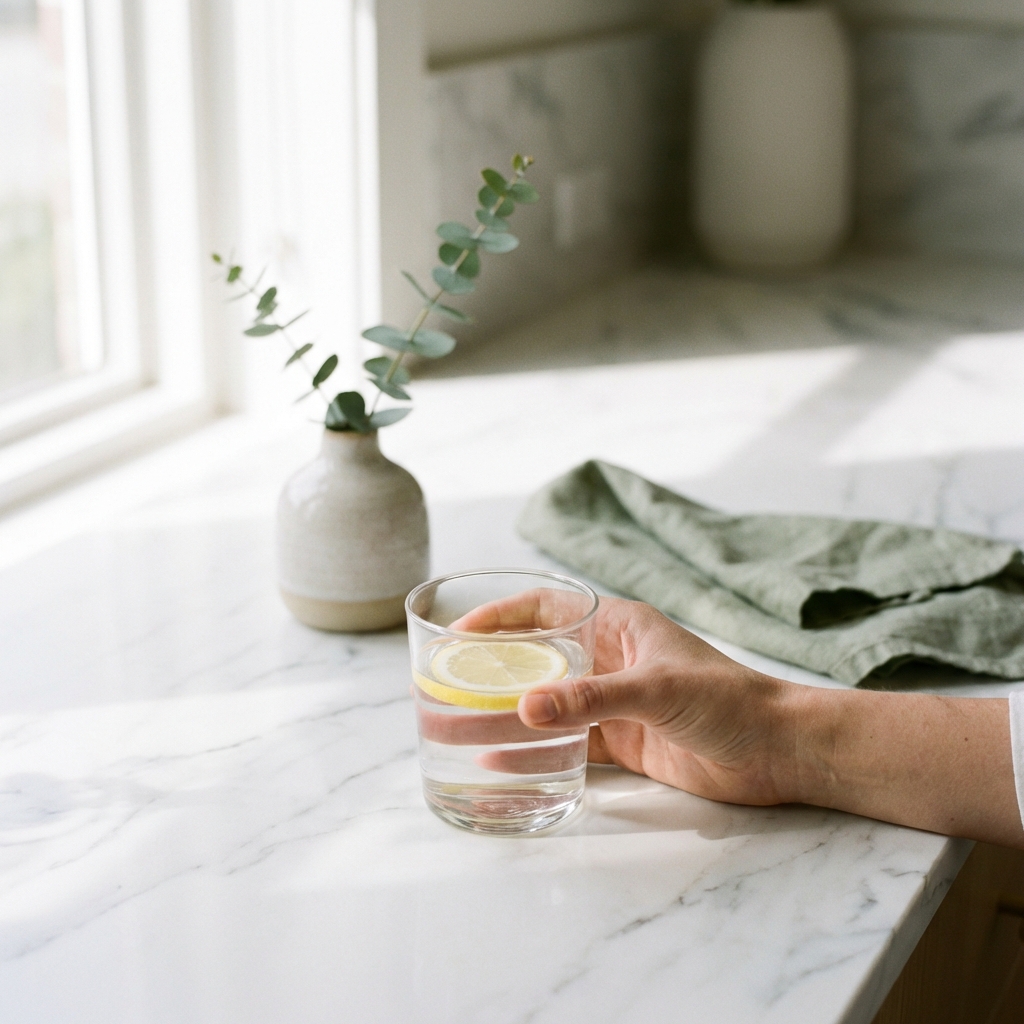
You've heard it a million times: "Drink more water for better skin." And yes, hydration matters for overall health. But here's what the beauty industry doesn't always tell you: drinking eight glasses of water a day won't necessarily give you dewy, hydrated skin.
The relationship between what you drink and how your skin looks is more complicated than simple cause and effect. Understanding how skin hydration actually works can help you make smarter choices — both in your skincare routine and in the treatment room.
How Skin Hydration Actually Works
Your skin has its own sophisticated system for staying hydrated. Your skin's outermost layer (the stratum corneum) acts like a protective wall made of dead skin cells held together by lipids — think of bricks and mortar. This barrier has two jobs: keep environmental threats out, and keep moisture in. When it's healthy, your skin holds onto water effectively. When it's compromised, water escapes through a process called transepidermal water loss (TEWL), and your skin becomes dehydrated.
It's also worth distinguishing between hydration (water content in skin cells) and moisture (the oil and lipid content that seals hydration in). Truly healthy skin needs both.
Why Drinking Water Isn't Enough
The water you drink hydrates your body from the inside out — going to your vital organs first. Your skin, the largest organ but not the most critical for survival, gets what's left over.
Research shows that drinking water can improve skin hydration only if you were significantly dehydrated to begin with. For most people who are adequately hydrated internally, drinking extra water doesn't dramatically improve skin appearance. Yes, drink water — dehydration is bad for everything, including skin — but don't expect it to transform dry, dull skin on its own.
What Actually Causes Dehydrated Skin
Common culprits include:
- Environmental factors: Low humidity, indoor heating, wind, cold, sun damage, and pollution
- Skincare mistakes: Over-exfoliation, harsh cleansers, alcohol-heavy products, skipping moisturizer
- Lifestyle factors: Caffeine and alcohol (both diuretics), hot showers, stress, inconsistent routines
- Skin conditions: Compromised moisture barrier, eczema, dermatitis, or natural aging
Signs Your Skin Is Dehydrated
Look for tightness after cleansing, dullness and lack of radiance, more visible fine lines (dehydration lines, not true wrinkles), rough or flaky texture, makeup that won't sit smoothly, and increased sensitivity. Note that dehydrated skin is different from dry skin type — you can have oily skin that's also dehydrated.
What Actually Works: Hydration Strategies
At-Home Strategies
Humectants pull water into skin — look for hyaluronic acid, glycerin, aloe vera, and urea. Occlusives seal moisture in — look for squalane, natural oils like jojoba and rosehip, and dimethicone. Barrier-supporting ingredients like ceramides, niacinamide, and fatty acids help your skin retain what you put in. Apply humectants to damp skin, then seal with a moisturizer to trap water where you want it.
Professional Hydration Treatments
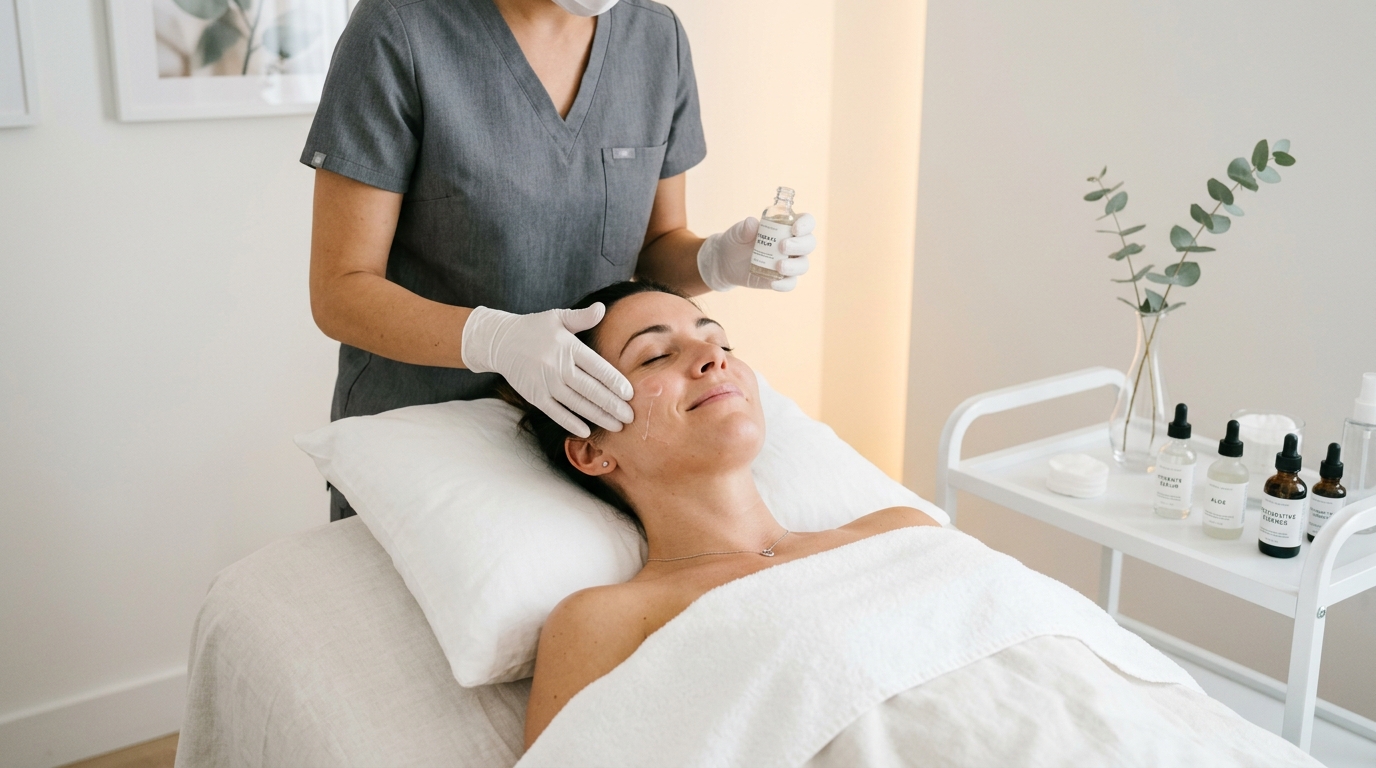
Sometimes your skin needs more than products can provide. A customized professional facial is a great starting point — your provider can assess your specific needs and tailor a treatment plan with hydrating masks, serums, and professional-grade products that go beyond what's available over the counter.
Light chemical peels, while counterintuitive, can also help by removing the dead, dehydrated surface layer — allowing hydrating products to penetrate more effectively afterward.
The Bottom Line
Skin hydration is a layered system — and addressing it effectively requires more than just drinking more water. A healthy barrier, the right topical ingredients, and professional support when needed work together to keep skin plump, radiant, and resilient.
If you're struggling with persistent dryness, dullness, or dehydration despite a consistent routine, a consultation with one of our practitioners can help identify what's missing and build a plan that actually works for your skin.
Frequently Asked Questions
Is dehydrated skin the same as dry skin?
Not quite. Dry skin is a skin type — it produces less natural oil (sebum) and tends to feel rough or flaky year-round. Dehydrated skin is a condition that can affect any skin type, including oily skin, and refers specifically to a lack of water content in the skin cells. Dehydrated skin often presents as dullness, tightness, or fine surface lines that smooth out when gently pressed. The distinction matters because the treatment approaches differ.
Can I over-hydrate my skin?
Over-application of occlusive moisturizers can occasionally disrupt the skin barrier's natural processes if done in excess, but true over-hydration of skin cells is rarely a practical concern for most people. The more common issue is using the wrong products for your skin type, or layering too many active ingredients that compromise barrier function. A consultation with one of our providers can help clarify what your skin actually needs.
How do I know if my skin barrier is compromised?
Common signs include persistent tightness after cleansing, increased sensitivity or redness, a rough or uneven texture, products that suddenly sting or irritate more than usual, and dehydration lines that appear even when you're moisturizing regularly. If your skin seems reactive or harder to keep comfortable, barrier compromise is often a contributing factor. Our practitioners can assess your skin barrier condition during a consultation.
How soon can I see results from professional hydration treatments?
It depends on the treatment. A customized facial can produce an immediate improvement in surface hydration and glow. Microneedling and PRP/PRF treatments work by stimulating the skin's own regeneration, so results develop progressively — most clients notice meaningful improvement over four to eight weeks, with continued change over several months. Injectable dermal fillers provide visible hydration and volume restoration more immediately. Individual results vary, and a personalized treatment plan will set realistic expectations for your specific goals.
Which treatment is best for dehydrated skin?
There's no single answer, because the right treatment depends on what's causing the dehydration — barrier compromise, structural HA loss, cellular sluggishness, or a combination. Customized facials are often an excellent starting point, while microneedling and PRP/PRF are well suited for clients seeking structural improvement over time. Dermal fillers address volume-related dehydration specifically. A consultation with our team is the most reliable way to identify the right approach for your skin.
Ready to Build a Skin Hydration Plan That Actually Works?
Our practitioners in Arlington, VA and Lakewood, CO take a comprehensive approach to skin health — assessing your skin's specific needs and recommending the right combination of treatments for lasting results.
Continue Reading
Explore more from Skën's educational content on skin health and aesthetic wellness.
Spring Skin Reset: Best Treatments to Refresh After Winter
Winter takes a toll on your skin barrier. Discover which professional treatments are most effective for restoring radiance and resilience as the seasons change.

How Stress Affects Your Skin & What to Do About It
Stress doesn't just affect your mood — it has measurable effects on skin barrier function, hydration, and overall skin health. Here's what's happening and what helps.
Why Self-Care Isn't Selfish: The Medical Benefits of Aesthetic Treatments
Professional aesthetic treatments aren't a luxury — they're a form of evidence-based care. Explore the science behind why investing in your skin pays dividends.