Botox 101: Everything You Need to Know Before Your First Treatment

Thinking about Botox but not sure where to start? You're not alone. Whether you're curious about prevention, bothered by specific lines, or just want to understand what the buzz is about—this guide covers everything first-timers need to know. From how it actually works to what the appointment looks like to realistic expectations about results, consider this your Botox 101.

So you're thinking about Botox.

Maybe you've noticed lines that weren't there a few years ago. Maybe a friend mentioned it casually and you thought, "Wait, is that something I should consider?" Maybe you received a gift card and you're finally ready to see what it's all about.

Whatever brought you here, you're in good company. Botox is one of the most popular aesthetic treatments in the world—and for good reason. But we also know that "popular" doesn't mean "not intimidating." Needles? In your face? It's reasonable to have questions.

This guide is for you: the curious, the cautious, the ready-to-learn. Let's break down everything you need to know before your first Botox appointment.

What Is Botox, Exactly?

Botox is a brand name for botulinum toxin type A, a purified protein that temporarily relaxes targeted muscles. When injected in small amounts into specific facial muscles, it reduces their movement—which softens existing wrinkles and prevents new ones from forming.

Other brand names you might hear:

  • Dysport
  • Xeomin
  • Daxxify
  • Jeuveau

These are all neuromodulators that work similarly to Botox. Your provider can help you understand the subtle differences and which might be best for you.

What Botox treats:

  • Forehead lines (horizontal lines when you raise your eyebrows)
  • Frown lines (the "11s" between your brows)
  • Crow's feet (lines around the outer eyes)
  • Bunny lines (lines on the nose)
  • Lip lines and lip flip
  • Jawline slimming (masseter Botox)
  • Excessive sweating (hyperhidrosis)
  • Migraines (FDA-approved treatment)

How Does Botox Work?

Here's the science in simple terms:

Your facial muscles contract when your brain sends signals through nerves. Over time, repeated contractions (squinting, frowning, raising eyebrows) create creases in the overlying skin—what we see as wrinkles.

Botox works by temporarily blocking those nerve signals to specific muscles. When the muscle can't contract as strongly, the skin above it relaxes and smooths out.

Important: Botox doesn't "freeze" your face or eliminate all expression. A skilled injector targets specific muscles at appropriate doses to soften movement while maintaining natural expressions. You'll still look like you—just refreshed.

What to Expect at Your First Appointment

Before your appointment:

  • Avoid alcohol for 24 hours (increases bruising risk)
  • Avoid blood thinners if possible (aspirin, ibuprofen, fish oil)—check with your provider
  • Come with a clean face (no makeup on treatment areas)
  • Eat normally—no need to fast

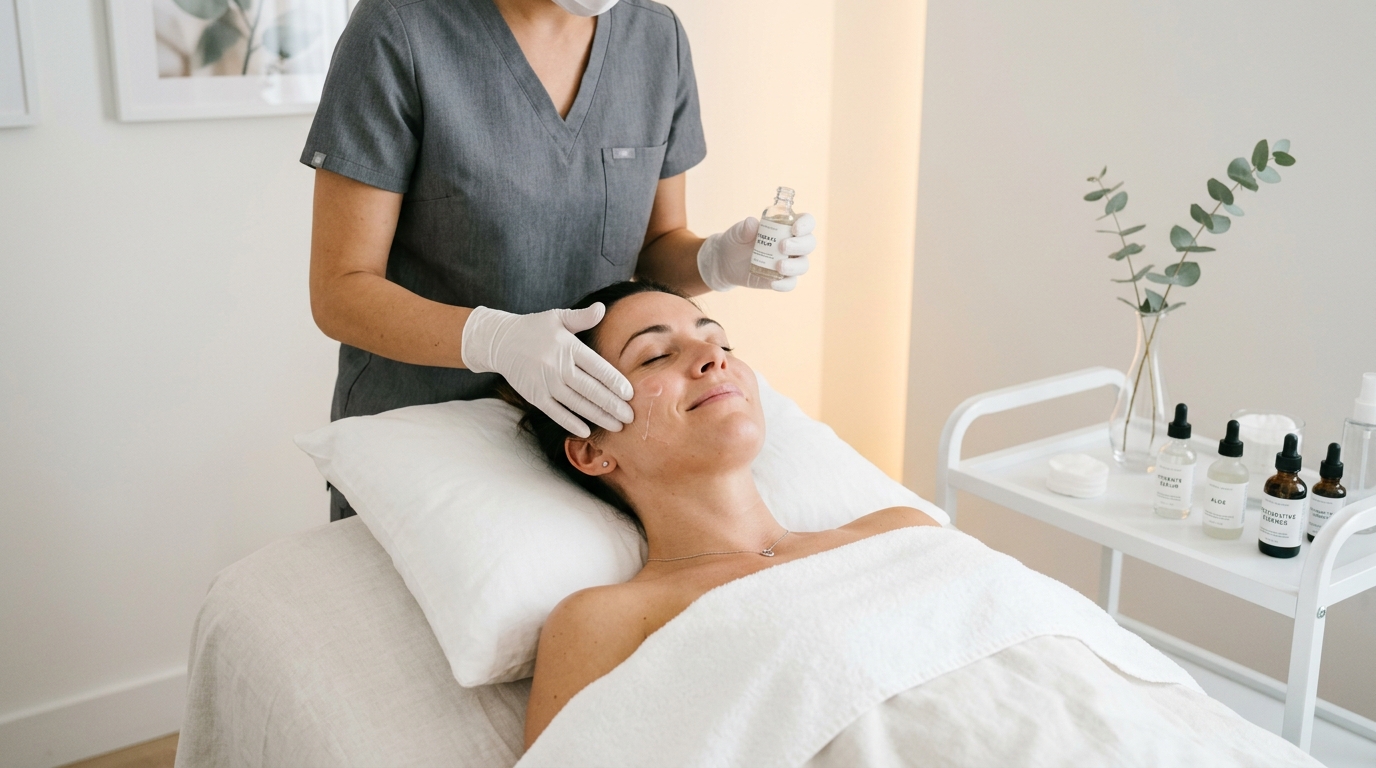
The consultation: Your provider will ask about your goals, medical history, and any concerns. They'll examine your facial anatomy and muscle movement, then recommend a treatment plan. This is your chance to ask questions!

The treatment itself:

  • Duration: 10-20 minutes for most treatments
  • Pain level: Minimal. Most people describe it as a tiny pinch. Some providers use ice or numbing cream.
  • Number of injections: Varies by area (typically 3-5 injection points per area)
  • Needles: Very small (think: much smaller than a blood draw needle)

Immediately after:

  • Small bumps at injection sites (disappear within 20-30 minutes)
  • Possible slight redness
  • You can return to normal activities immediately
  • Avoid lying down for 4 hours
  • Avoid intense exercise for 24 hours
  • No rubbing or massaging the treated areas

Results Timeline: When Will I See a Difference?

This is where patience comes in:

  • Days 1-3: You won't see much change. Botox is still binding to nerve receptors.
  • Days 3-7: You'll start to notice reduced movement in treated areas.
  • Days 10-14: Full results are visible. This is when you'll see the final effect.

How long does Botox last?

Typically 3-4 months for most people. Some factors that affect duration:

  • Your metabolism (faster metabolism = shorter duration)
  • The area treated (some areas last longer than others)
  • Your dosage
  • How often you've had Botox (regular treatments may last longer over time)

Pro tip: Book your follow-up before the full effect wears off. Maintaining results is easier than starting from scratch.

How Much Does Botox Cost?

Botox is typically priced per unit. The number of units you need depends on:

  • Which areas you're treating
  • The strength of your muscles
  • Your desired outcome

General ranges (these vary by provider and location):

  • Forehead: 10-30 units
  • Frown lines (11s): 15-25 units
  • Crow's feet: 8-15 units per side

During your consultation, your provider will give you a personalized quote based on your treatment plan.

Ways to make Botox more affordable:

  • Ask about membership programs (like Skën Med Spa's membership)
  • Look for new client specials
  • Consider treatment packages
  • Join rewards programs (Allē, Aspire)

Common Questions First-Timers Ask

Will I look frozen or fake? Not with a skilled injector. The goal is natural-looking results—you'll look refreshed, not "done." Communication with your provider is key.

Does it hurt? Most people say it's much less painful than expected. Quick pinches, over in minutes. If you're needle-phobic, let your provider know—they can use numbing cream or ice.

What if I don't like it? Botox is temporary. If you're unhappy with results (rare with an experienced provider), they'll fade within 3-4 months. This is actually a benefit for first-timers—you're not committing to anything permanent.

Am I too young/old for Botox? There's no universal "right age." Some people start preventatively in their late 20s; others begin in their 50s or later. It depends on your skin, your genetics, and your goals.

Can I get Botox while pregnant or breastfeeding? No. Botox is not recommended during pregnancy or breastfeeding.

What's the difference between Botox and fillers? Botox relaxes muscles (best for expression lines). Fillers add volume (best for hollow areas, deep folds, lip enhancement). They're often used together but serve different purposes.

How to Choose a Botox Provider

This matters. A lot. Botox results depend heavily on the skill and experience of your injector.

Look for:

  • Licensed medical professionals (physicians, nurse practitioners, physician assistants, RNs with proper training)
  • Specialized training in aesthetic injections
  • Before/after photos of their work
  • Positive reviews mentioning natural results
  • A consultation process (not just "how many units do you want?")
  • A clean, professional medical environment

Red flags:

  • Prices that seem too good to be true
  • No consultation or assessment
  • Pressure to treat more areas than you want
  • Non-medical settings (Botox parties, mall kiosks)
  • Unable to answer your questions clearly

The Bottom Line

Botox isn't scary—it's one of the most well-studied, widely performed aesthetic treatments available. With the right provider and realistic expectations, it can be a simple, effective way to feel more refreshed and confident.

The best first step? A consultation. No commitment, no pressure—just a conversation about your goals and whether Botox is right for you.

Ready to learn more? Schedule a complimentary consultation at Skën Med Spa's Arlington, VA or Lakewood, CO location. We'll answer all your questions and create a personalized plan if you decide to move forward. No pressure, ever.

Medical Disclaimer: This article is for informational purposes only and does not constitute medical advice. GLP-1 medications are prescription treatments that require evaluation and ongoing supervision by a qualified healthcare provider. Individual results vary significantly. These medications carry potential side effects and are not appropriate for everyone. Always consult with a licensed medical provider before starting any weight loss medication.